How do leaders build organizations capable of evolving without losing the people required to make progress possible?
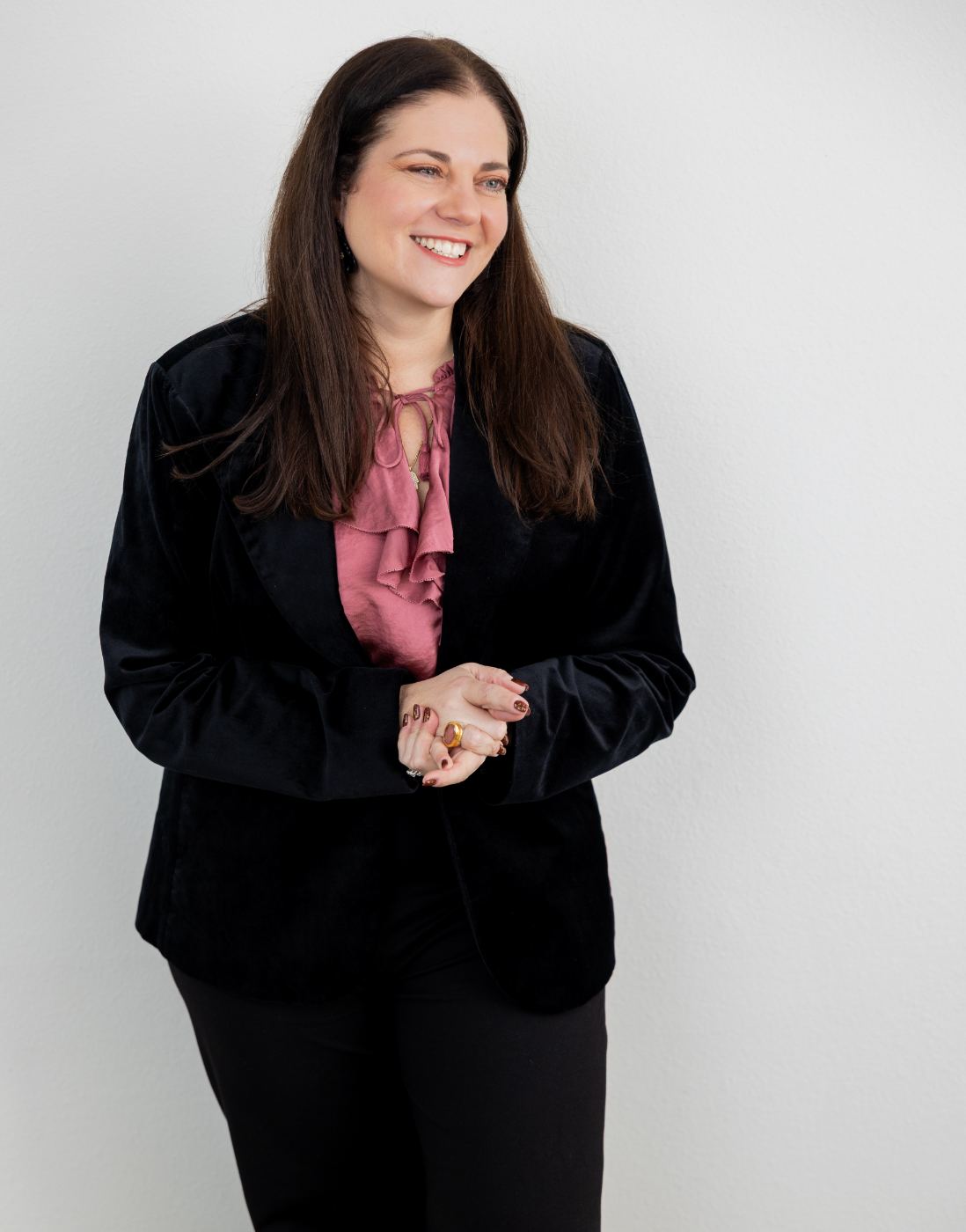
Jamie Latiano Jacobs has spent her career on that question: inside organizations as an executive, in classrooms and professional associations, in her writing, and now as a founder, speaker and podcast host.
Inside the organization
As a global executive, Jamie spent her career inside complex organizations leading people, culture and organizational change through growth, transformation and M&A. That experience shaped a conviction that many of the constraints leaders accept—how work gets done, how talent is accessed, how organizations are structured—are choices.
Advancing the profession
She served as President of the National Human Resources Association and taught in USC’s Master’s in Human Resources Management program. She is an ICF Professional Certified Coach (PCC) and a Hudson Institute Certified Coach.
Writing it down
In Designing Exceptional Organizational Cultures (Kogan Page), she set out how culture, leadership, people and systems combine to shape performance.
Building a new model
She founded Gig Talent before fractional executives, executive entrepreneurship and flexible access to senior capability became mainstream. Today Gig Talent is an Executive Talent Agency and Capability Studio that helps organizations assemble the right combination of leaders, experts and specialized capabilities around the outcomes they need to achieve.
Asking the question in public
On The Courageous Choice Podcast, she talks with leaders who chose what was next before the path was obvious.
What’s next
Her work now centers on how AI, technology and new talent models are changing what organizations require, and how leaders bring their people forward as work is rewritten.
At some point, I realized how much fear can shape our lives without ever announcing itself as fear. It can look like success in someone else’s definition, playing smaller than your authentic self, or being overly practical or patient to play within bounds or not rock the boat.
It can keep us inside careers, systems, structures and assumptions because they are familiar, comfortable or perceived as safe. Over time, I came to believe that one of our biggest limitations is not what is actually possible, but what we are able to see for ourselves. That feels especially relevant now. We are living through a moment when technology, work and organizations are changing faster than many of the assumptions we still use to make decisions. The opportunity is not just to adapt to what is changing, but to question what we have accepted as fixed and ask a better question: what could be possible from here?
“Productivity is the basis of morale.”
— Robert James Latiano, 1945–2016
I think about my dad’s words often because, at our core, most of us want to feel useful. We want to do work that matters, contribute something meaningful, solve real problems and know that our effort is moving something forward. I believe our teams want the same thing.